
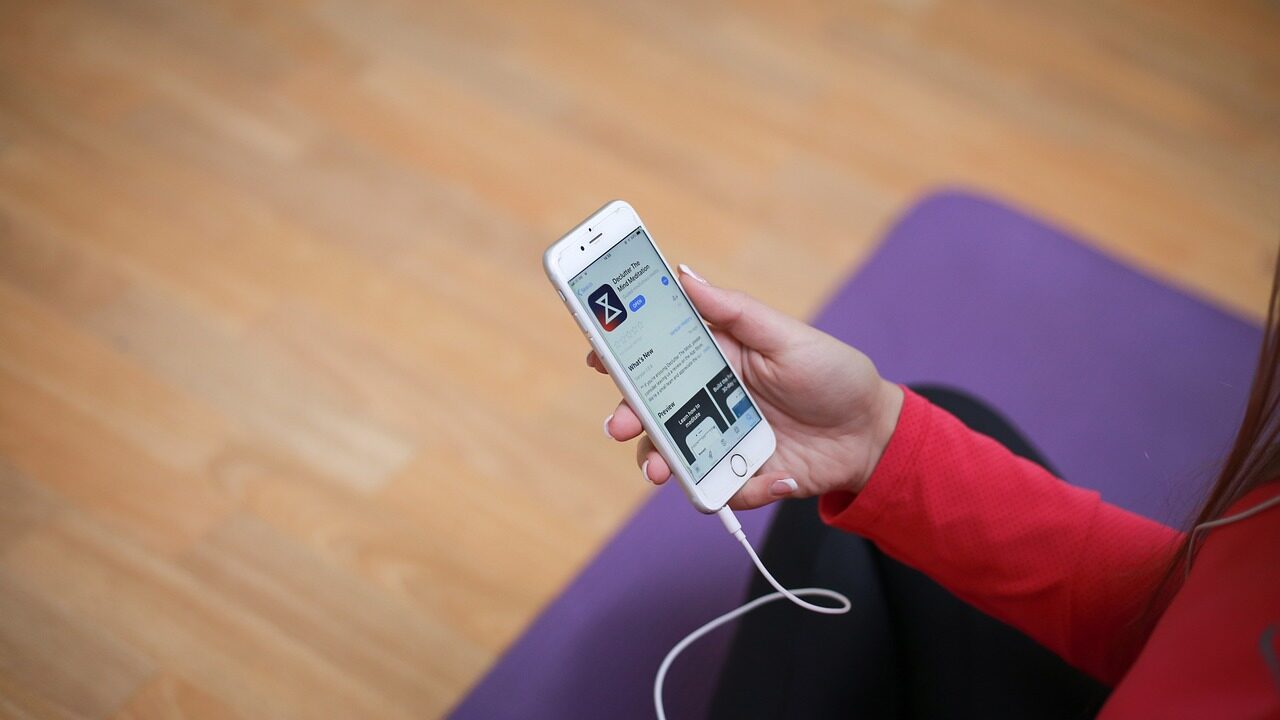
Meditation apps have become essential tools for building mindfulness habits, reducing stress, improving sleep, and enhancing overall well-being. In 2025, the market offers diverse options—from free libraries with thousands of tracks to premium apps with celebrity narrations, structured courses, and AI features. Popular apps emphasize accessibility for beginners, personalization, and evidence-based content, with many integrating therapy options or community elements.
Key factors in comparisons include content variety, user interface, free vs. premium features, pricing, and specific strengths (e.g., sleep aids or philosophical depth). Most apps are available on iOS and Android, with free trials common. Below, we review standout apps based on expert reviews, user ratings, and 2025 updates.
What to Look for in a Meditation App
Consider these elements:
- Content Library: Guided sessions, timers, music, courses.
- Ease of Use: Intuitive navigation, beginner-friendly structure.
- Free Content: Generous trials or ongoing free access.
- Special Features: Sleep stories, live sessions, therapy integration.
- Pricing: Monthly/annual subscriptions; value for money.
- Personalization: Daily recommendations, progress tracking.
Try free versions first to find what resonates.
Top Meditation App Comparisons for 2025
Insight Timer: Best Free and Most Extensive Library
The world’s largest free meditation library, with over 200,000 tracks from thousands of teachers.
Pros: Vast variety (guided, music, talks); community features; live events; highly rated for diversity.
Cons: Can feel overwhelming for beginners; variable teacher quality.
Pricing: Mostly free; premium ~$60/year for courses.
Best For: Experienced users seeking variety; budget-conscious meditators.
Headspace: Best for Beginners and Structured Learning
Animated, engaging courses with a focus on building habits.
Pros: Excellent basics series; fun interface; mental health coaching/therapy add-ons (new in 2025); SOS sessions for quick relief.
Cons: Limited free content; subscription required for depth.
Pricing: ~$13/month or $70/year; discounts for students/families.
Best For: Newcomers; those wanting guided progression.
Calm: Best for Sleep and Relaxation
Celebrity-narrated Sleep Stories and soothing soundscapes.
Pros: High-production audio; Daily Calm sessions; masterclasses; strong sleep focus (e.g., LeBron James series).
Cons: Premium-heavy; higher cost for full access.
Pricing: ~$15/month or $70/year; 7-day trial.
Best For: Insomnia sufferers; relaxation seekers.
Waking Up: Best for Deeper Philosophical Practice
Sam Harris-led sessions blending meditation with insight into consciousness.
Pros: Profound teachings; daily lessons; scholarships available.
Cons: More advanced/abstract; not ideal for pure relaxation.
Pricing: ~$100/year.
Best For: Intermediate/advanced users interested in non-traditional mindfulness.
Ten Percent Happier: Best for Skeptics and Practical Guidance
Based on Dan Harris’s book; straightforward, no-nonsense approach.
Pros: Teacher interviews; real-world focus on anxiety/stress.
Cons: Less variety in sleep/relaxation.
Pricing: ~$100/year.
Best For: Analytical types; beginners wanting evidence-based content.
Healthy Minds Program: Best Completely Free Option
Science-backed, donation-supported app with structured training.
Pros: Fully free; evidence-based; wide variety without ads.
Cons: Less flashy production.
Pricing: Free.
Best For: Those avoiding subscriptions.
Breethe: Best Value All-in-One
Comprehensive with hypnotherapy, AI coaching, and life-focused content.
Pros: Flexible pricing; broad tools for daily life.
Cons: Less known than giants.
Pricing: Annual ~$90; lifetime options.
Best For: Holistic wellness seekers.
Emerging Trends in Meditation Apps 2025
- AI personalization and chat features (e.g., Headspace expansions).
- Therapy integration for comprehensive mental health.
- Focus on sleep amid rising stress.
- Free/high-value options challenging premium dominance.
How to Choose and Use a Meditation App
- Beginners: Headspace or Calm for structure.
- Free Priority: Insight Timer or Healthy Minds.
- Sleep Focus: Calm.
- Daily Practice: Set reminders; start with 5–10 minutes.
- Track Progress: Use streaks/mood journals.
- Combine: Pair with journaling or walks.
Meditation apps in 2025 make mindfulness accessible and tailored—experiment with trials to find your fit. Consistency matters more than perfection; even short sessions yield benefits for stress, focus, and sleep. Start today and cultivate inner calm!