
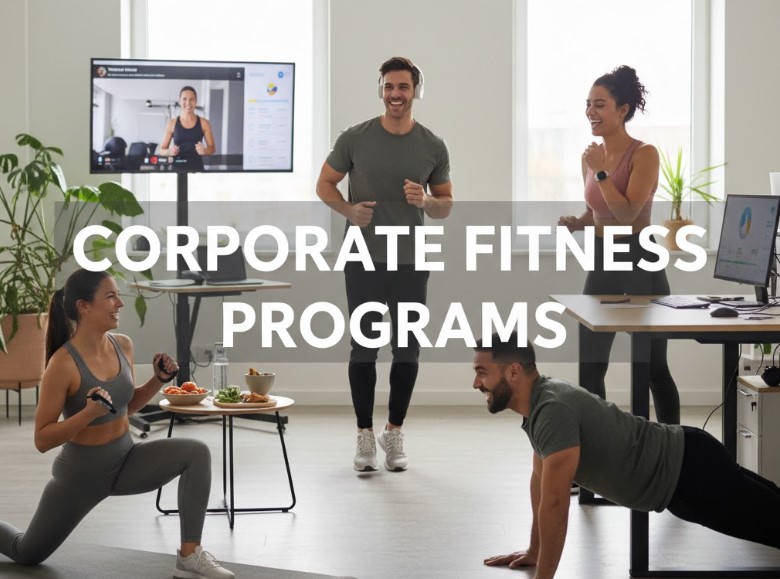
Corporate Fitness Programs are no longer a luxurious perk reserved for Silicon Valley giants; they are a fundamental strategic investment for any forward-thinking organization.
The evidence is overwhelming: businesses that prioritize the physical and mental well-being of their employees see a direct, measurable return on investment (ROI) that extends far beyond reduced healthcare costs.
These programs foster a culture of health, ultimately translating into enhanced productivity, improved employee morale, and significantly lower turnover rates.
In today’s highly competitive talent market, offering robust Corporate Fitness Programs is a non-negotiable component of a modern, attractive employee benefits package, signaling to both current and prospective employees that their health is genuinely valued.
The traditional view of employee wellness often centered on simple, reactive measures—perhaps an annual flu shot or a subsidized gym membership. However, cutting-edge Corporate Fitness Programs adopt a holistic and proactive approach.
They integrate physical activity, nutritional guidance, mental health resources, and preventative care into a cohesive strategy. This shift recognizes that an employee’s well-being is a complex ecosystem, and neglecting one area (like mental health) can undermine progress in another (like physical activity).
Therefore, successful implementation requires a deep understanding of the workforce’s specific needs and a commitment to creating an inclusive, supportive environment where every employee, regardless of their current fitness level or role, feels encouraged to participate and thrive.
The ultimate goal is to move the organization from merely managing illness to actively promoting lifelong wellness.
Components for Success in Designing a World-Class Corporate Fitness Program
A truly impactful Corporate Fitness Program is customized and multi-faceted. It should offer a variety of options to accommodate different schedules, interests, and accessibility needs.
The most effective programs typically weave together the following core components, ensuring broad appeal and sustained engagement across the entire employee demographic.
1. The Physical Activity Hub: Facilitating Accessible Movement
The foundation of any successful Corporate Fitness Program rests on providing varied and easily accessible avenues for physical activity, moving beyond the simplistic offering of a gym discount.
This component must consider the diverse needs of employees, ranging from high-intensity enthusiasts to those simply needing to incorporate more light movement into sedentary workdays. This involves strategic planning for both on-site and remote teams.
For those working in a shared office, establishing dedicated On-Site Wellness Spaces, removes the significant hurdle of commuting to a third-party facility, making exercise feasible during lunch breaks or short windows.
Simultaneously, a state-of-the-art Corporate Fitness Program must include robust support for hybrid and remote workers by offering a comprehensive library of Virtual & On-Demand Classes. This might include everything from live-streamed restorative yoga sessions to short, effective high-intensity interval training (HIIT) routines that can be completed in a home environment.
The key objective here is to seamlessly integrate movement into the workday, recognizing that convenience is the ultimate driver of long-term participation and success in a Corporate Fitness Program.
2. Nutritional and Dietary Guidance: Fueling Performance from Within
Recognizing that physical well-being is heavily influenced by diet, a world-class Corporate Fitness Program must integrate substantial educational and practical nutritional support.
This component goes beyond generic advice; it aims to arm employees with the knowledge and tools required to make sustainable, healthier food choices in the face of busy schedules and workplace pressures.
High-impact initiatives include hosting interactive Healthy Eating Seminars led by certified registered dietitians, focusing on highly relevant topics such as advanced meal preparation techniques for professionals, strategies for navigating inflammatory foods, or optimizing nutrition for energy and focus during the workday.
Furthermore, for companies with communal dining areas, conducting Cafeteria and Vending Machine Audits is a practical demonstration of commitment, ensuring that appealing, clearly-marked healthy options are readily available and competitively priced compared to less nutritious alternatives.
Integrating a strong hydration promotion strategy, perhaps through high-quality filtered water stations and educational campaigns on the cognitive benefits of adequate water intake, solidifies the focus on the fundamental building blocks of good health, directly supporting the overarching goals of the Corporate Fitness Program.
3. Mental and Emotional Resilience: Addressing the Modern Workplace Stressors
The sophisticated modern Corporate Fitness Program acknowledges that mental health is foundational to all aspects of performance and overall wellness. Addressing workplace stress, burnout, and anxiety is not a secondary concern but a central pillar of the overall strategy.
This involves implementing proactive, accessible resources that empower employees to manage their cognitive load. Key offerings include regular Mindfulness and Meditation Sessions, perhaps delivered virtually or as short, guided breaks during peak stress times, proven to enhance focus, emotional regulation, and psychological well-being.
There must be seamless and confidential integration with the Employee Assistance Program (EAP), ensuring that employees know exactly how to access confidential counseling and support services without stigma or fear of disclosure.
A truly comprehensive approach also recognizes the profound impact of financial insecurity on mental health; thus, integrating Financial Wellness Resources, such as workshops on strategic debt reduction or retirement planning, rounds out this component, offering holistic support that addresses the root causes of major employee stress, thereby significantly amplifying the positive effects of the Corporate Fitness Program.
4. Health Risk Assessment and Preventative Care: Empowering Personalized Health Journeys
To move beyond generic wellness suggestions, the most effective Corporate Fitness Programs utilize tools that empower individuals with personalized health data and connect them directly to preventative care.
The provision of Voluntary Health Screenings, which may include biometric measurements (like cholesterol, glucose, and blood pressure) and health risk appraisals, gives employees a clear, data-driven snapshot of their current health status and potential risk factors.
It is absolutely paramount that these screenings are conducted with stringent Confidentiality Protocols, often involving a third-party vendor to ensure that individual results are never shared with the employer, maintaining trust and compliance.
Following these assessments, the program should offer access to Personalized Wellness Coaching. These certified professionals work one-on-one with employees to translate their health data into actionable, realistic lifestyle goals, whether the objective is to improve sleep hygiene, manage a chronic condition, or increase physical stamina.
This personalized, data-informed approach ensures the Corporate Fitness Program is not a one-size-fits-all solution but a tailored support system driving targeted, meaningful behavior change.
5. Seamless Technology and Platform Integration: The Digital Backbone
In the contemporary workplace, the successful delivery and administration of a vast Corporate Fitness Program heavily relies on a robust and user-friendly digital platform. This component serves as the central hub for all program activities, tracking, and communication.
The platform should be designed for Seamless Wearable Integration, allowing employees to automatically sync data from popular fitness trackers and apps, eliminating the need for manual data entry and making participation effortless.
This digital backbone facilitates the running of large-scale Gamified Challenges, where employees can join teams, track real-time progress, and compete for recognition and rewards, driving friendly competition and community engagement.
Furthermore, the platform acts as the central repository for all resources, providing quick access to the library of on-demand workout videos, seminar schedules, and registration for coaching sessions.
A modern, engaging digital interface is crucial for overcoming engagement barriers, making the Corporate Fitness Program easily accessible and intrinsically motivating for the digitally native workforce.
6. Leadership Buy-In and Cultural Modeling: Driving Organizational Commitment
The ultimate determinant of a Corporate Fitness Program’s long-term success is not its budget, but the observable and sustained commitment from senior leadership. This critical component, Leadership Buy-In and Cultural Modeling, ensures the program is viewed as a strategic priority, not a disposable perk.
When executives and managers actively participate in wellness activities, it sends a powerful, clear message that prioritizing health is supported, expected, and valued within the organizational culture.
This modeling helps destigmatize participation and provides employees with the psychological safety needed to step away from their desks for health breaks.
Furthermore, leaders must champion policies that support wellness, such as flexible scheduling that allows time for exercise or discouraging after-hours emails. This top-down commitment embeds the values of the Corporate Fitness Program into the company’s DNA, transforming it from a program into a deeply ingrained cultural norm that sustains itself over time.
The Business Case: Measuring the Success of Corporate Fitness Programs
The longevity and continued investment in any Corporate Fitness Program hinge entirely on its ability to demonstrate a tangible and compelling return on investment (ROI).
Moving beyond the simple narrative of “doing the right thing,” companies must establish clear, measurable metrics to prove that the expenditure on wellness translates directly into improved business performance.
This measurement framework should be multi-dimensional, combining the concrete financial figures (hard metrics) with the critical indicators of cultural health and employee engagement (soft metrics).
Only by tracking this holistic set of data can an organization truly quantify the vast benefits derived from its Corporate Fitness Program.
Hard Metrics (The Financial Impact): Quantifying the ROI
The most persuasive evidence for the value of Corporate Fitness Programs comes from demonstrable financial savings and productivity gains. These metrics directly impact the bottom line and are essential for securing ongoing budget allocations.
Reduced Healthcare and Insurance Costs
One of the most immediate and significant ROIs is the reduction in employee healthcare expenditure. Corporate Fitness Programs that successfully encourage preventative behaviors, lead directly to fewer high-cost medical claims.
Companies can track this by comparing per-employee healthcare utilization rates and the average annual claim cost between participants and non-participants in the wellness program.
Over time, healthier populations within the organization often result in more favorable negotiations with insurance carriers, leading to lower premiums for the company.
The ideal measurement involves a multi-year look at the organization’s total medical spend, demonstrating the cost containment achieved through proactive health management facilitated by the Corporate Fitness Program.
Lower Absenteeism Rates
Absenteeism, defined as time lost due to illness or injury, represents a quantifiable loss in productivity. Employees who are physically active, maintain a balanced diet, and manage stress effectively tend to have stronger immune systems and fewer chronic issues, leading them to take fewer sick days.
The key metric to track here is the Average Days Absenteeism per Employee per Year. Successful Corporate Fitness Programs should show a measurable downward trend in this figure.
Companies can further refine this by calculating the cost of absenteeism, thereby converting reduced sick days into a clear monetary saving that supports the investment in the Corporate Fitness Program.
Improved Presenteeism and Productivity
Presenteeism refers to the condition where employees are physically present at work but are unable to perform at their full capacity due to health issues (physical or mental). This loss of focus and efficiency is often more costly than direct absenteeism but is harder to quantify.
High-performing Corporate Fitness Programs combat this by improving energy levels, mental clarity, and focus. While direct measurement is challenging, proxy indicators can be used effectively: tracking project completion rates, error rates in detailed work, or even time spent on non-work-related distractions.
Another method involves using self-reported surveys to gauge employee self-assessed productivity and level of focus before and after engaging with specific elements of the wellness initiative.
When employees feel better, they think better, directly translating the well-being gains of the Corporate Fitness Program into enhanced overall organizational output.
Soft Metrics (The Cultural Impact): Building Human Capital
While hard metrics address immediate costs, soft metrics are vital for assessing the long-term strategic value of Corporate Fitness Programs, particularly their impact on the workplace culture, talent management, and employee quality of life.
Enhanced Employee Engagement and Morale
A successful Corporate Fitness Program is a tangible demonstration of corporate care, significantly boosting employee morale and fostering a positive organizational atmosphere.
When employees feel their company invests in their well-being, their commitment and engagement increase. This can be measured through:
- Employee Opinion Surveys: Tracking scores related to job satisfaction, overall happiness, and perception of organizational support.
- Net Promoter Score (NPS) for Employees (eNPS): Assessing the likelihood of employees recommending the company as a great place to work.
A positive shift in these metrics confirms that the Corporate Fitness Program is succeeding in its mission to create a supportive and desirable work environment, which in turn fuels better performance and retention.
Increased Retention and Improved Recruitment
In the modern competitive talent market, benefits packages are powerful recruitment tools. A robust, well-publicized Corporate Fitness Program serves as a key differentiator, attracting top talent who prioritize work-life balance and health.
More importantly, it aids in talent retention. Employees are less likely to leave an employer who they perceive as genuinely invested in their long-term health.
The relevant data points here include tracking the Voluntary Turnover Rate, especially comparing the turnover rates of employees who actively participate in the Corporate Fitness Program versus those who do not.
A lower turnover rate among participants demonstrates the program’s value as a powerful employee loyalty tool, significantly reducing the massive costs associated with recruitment, onboarding, and training replacement staff.
Stronger Cultural Cohesion and Teamwork
Wellness challenges and group activities within Corporate Fitness Programs naturally break down departmental silos and foster greater social connectivity and teamwork.
Participating in a team-based step challenge, a group yoga class, or a departmental fitness competition allows employees to interact in a low-stakes, non-hierarchical environment.
This increased camaraderie translates back into the workplace as better collaboration, improved communication, and a stronger sense of community.
While this is the hardest metric to assign a numeric value, qualitative feedback, such as anecdotal evidence from managers and observations of cross-departmental collaboration improvement, can validate the positive cultural impact driven by the Corporate Fitness Program.
A Strategic Framework for Measurement
To maximize the impact of the data, the measurement of Corporate Fitness Programs should follow a structured framework:
- Baseline Data Collection: Establish pre-program metrics (e.g., initial absenteeism, insurance claims, and survey scores) to act as a benchmark.
- Continuous Tracking: Regularly monitor participation rates, utilization of different program elements, and the evolving hard and soft metrics.
- Risk-Adjusted Analysis: Use statistical methods to adjust for demographic factors or pre-existing conditions to ensure that the observed health improvements are genuinely attributable to the Corporate Fitness Program.
- Feedback Loop: Use the data to refine the program elements, eliminating low-impact activities and investing more in those demonstrating the highest ROI and engagement.
By rigorously applying this balanced approach to measuring both the financial (hard) and cultural (soft) returns, organizations can clearly articulate the business case for Corporate Fitness Programs, moving them firmly from the realm of “perk” to “strategic business imperative.”
Overcoming Common Hurdles in Implementing Corporate Fitness Programs
Launching a robust Corporate Fitness Program is a significant achievement, but the true challenge lies in ensuring its sustained success and maximum impact across the entire workforce.
Without proactive strategies to address common barriers, even the most well-designed program can suffer from low engagement, lack of trust, and eventual stagnation.
Overcoming these hurdles requires a nuanced understanding of employee psychology and a commitment to continuous adaptation.
Challenge 1: Lack of Participation and Low Engagement
The most frequent challenge faced by organizers of Corporate Fitness Programs is the initial reluctance or subsequent drop-off in employee participation.
This hurdle is often rooted in perceived time constraints, physical intimidation, or a lack of personal relevance. Employees may feel they are already too busy, too unfit, or that the programs don’t cater to their unique needs.
The Solution: Championing and Modeling from the Top Down
The most powerful antidote to low participation is visible, authentic support from senior leadership. When executives and managers actively participate in wellness activities, it creates a psychological safety net.
This Leadership Modeling signals that the company is serious about the Corporate Fitness Program and that taking time for wellness is sanctioned and encouraged, not penalized. Furthermore, the program must prioritize Inclusivity and Variety.
This means offering alternatives to high-intensity workouts, such as beginner stretching sessions, mental health workshops, or quiet activities like book clubs focused on wellness topics.
By broadening the offerings to appeal to varying fitness levels, interests, and accessibility needs, the Corporate Fitness Program ceases to be solely for the “already fit” and becomes relevant to everyone, dramatically boosting adoption rates.
Challenge 2: Privacy Concerns and Lack of Trust
When a company collects health-related data, even anonymously, employees are naturally apprehensive about how this information might be used, fearing potential discrimination in promotions, insurance rates, or job security.
This lack of trust can immediately sink the credibility and participation rates of any voluntary Corporate Fitness Program.
The Solution: Establishing Ironclad Confidentiality Protocols
Transparency and trust are non-negotiable. It is vital to partner with a Third-Party Wellness Vendor to handle all individual health assessments and biometric screenings.
This external vendor acts as a firewall, ensuring that only aggregated, anonymized data (e.g., “70% of the employee population participated in the screening”) is ever shared with the employer.
Explicit communication regarding data handling, adherence to strict privacy regulations, and clear statements that individual participation or health status will never impact employment status are necessary. This rigorous separation of health data from HR decisions is essential to maintaining the integrity and compliance of the Corporate Fitness Program.
Challenge 3: Inconsistency, Stagnation, and Budget Constraints
Even after a successful launch, a Corporate Fitness Program can lose steam if it becomes repetitive, if communication falters, or if the perceived value is not continuously demonstrated to secure ongoing financial backing. Stagnation leads to boredom, which leads to disengagement, creating a vicious cycle.
The Solution: Continuous Innovation and Strategic Measurement
To avoid the pitfall of “program fatigue,” a Corporate Fitness Program must embrace Seasonal Refreshment and Innovation. This involves introducing new, themed challenges (e.g., a “Summer Steps Race” or a “Winter Wellness Bingo”) or rotating class offerings every quarter.
The program must be consistently measured, not just for financial ROI, but for engagement metrics. By tracking which elements employees utilize most, the wellness team can strategically Allocate Resources, eliminating underperforming activities and scaling successful ones.
Furthermore, demonstrating a tangible return (as outlined in the business case) by tying wellness investment to reduced healthcare costs and improved retention is the only way to safeguard the long-term budget and ensure the Corporate Fitness Program remains a sustainable, high-value asset.
Challenge 4: Time and Schedule Conflicts
For employees with heavy workloads, non-traditional hours, or significant external commitments, finding the time to engage with program activities during the workday can be genuinely impossible, leading to a feeling of exclusion.
The Solution: Prioritizing Flexibility and Asynchronous Access
A truly inclusive Corporate Fitness Program must recognize that “one time fits all” does not work. The solution is maximum Flexibility and 24/7 Accessibility.
This means heavily investing in the On-Demand Digital Library of workouts, mindfulness sessions, and educational content that employees can access whenever and wherever they need.
Additionally, offering Micro-Wellness Opportunities, allows all employees to integrate health behaviors without disrupting critical workflow, ensuring the benefits of the Corporate Fitness Program reach even the most time-constrained workers.
By anticipating these common obstacles and implementing targeted, strategic solutions, an organization can transform its Corporate Fitness Program from a mere offering into a resilient, highly engaged, and valued component of its overall organizational strategy.
The Future of Corporate Fitness Programs: Integration and Personalization
The next evolution of Corporate Fitness Programs will leverage technology and data to create hyper-personalized experiences.
- Wearable Integration: Seamlessly integrating with popular fitness trackers and apps allows employees to easily track progress and participate in challenges without manual data entry.
- AI-Driven Personalization: Using aggregated data (anonymously) to recommend specific program elements. For instance, an AI might recommend the stress-reduction workshop to employees in departments showing high overtime or suggest the nutrition class to those who haven’t yet engaged with the dietary resources.
- Focus on Sleep and Recovery: The next wave of wellness will move beyond just “activity” to include critical elements like sleep hygiene and recovery protocols, recognizing that rest is as vital as exercise for peak performance.
Corporate Fitness Programs are a strategic imperative. They are the engine of a healthy, productive, and engaged workforce, positioning the organization not just as an employer, but as a genuine partner in the long-term well-being of its people. The investment is one in the company’s most valuable asset: its human capital.